

Stops


Stops
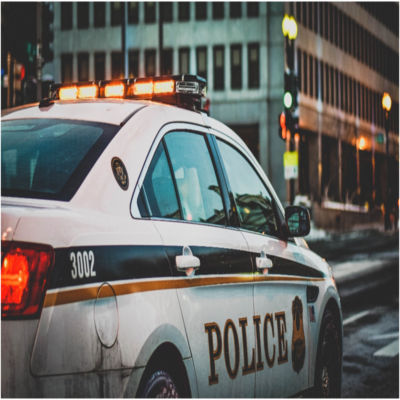
When can a law enforcement officer stop me or my car?
In Alaska, police can come up to you and talk to you whenever they want to. You can always refuse to talk to them, or walk away. But to “detain you,” which means to prevent you from leaving when you want to leave, police must have a “reasonable, articulable suspicion” that a crime has occurred or that you might be involved in recent serious harm to persons or property. “Reasonable, articulable suspicion” means an officer must have a good reason that he or she can clearly explain to justify the stop. This means that police can’t just stop you on the side of the street at any time and make you talk to them.
Do I have to answer a police officer’s questions?
You must give the police your name and identifying information if they ask. You don’t have to answer other questions. That means you don’t have to answer if the police ask questions like “Where are you kids coming from tonight?” or “Do you know anyone around here?” You don’t have to volunteer any information. You can ask “Am I free to go?” If they say you are free to go, then you can leave.
What are my rights if the police question me?
Police can continue to question you if don’t object and are willing to answer. If police officers say you are not free to go, and ask you more questions, you can ask “Am I under arrest?” If you are under arrest, police must tell you that
- you have the right to remain silent;
- anything you say can be used against you in court;
- you have the right to talk to a lawyer (also called an attorney) and have the lawyer with you to help you when police question you; and
- if you cannot afford a lawyer, the court will appoint one for you at public expense.
This information is called the Miranda warning. When a police officer gives you this information, it is called reading you your Miranda rights. The information in this section explains what your rights are. View more information and a card that you can carry with you.
You also have the right to have a parent or other adult present. It is important to tell the police officers that you do want an attorney or your parents to be there for you, because police will stop the questioning until you get an attorney or a parent.
If the police stop me and ask questions, are they recording me?
Most likely, yes. Alaska police officers almost always carry voice recorders in the chest pockets of their uniforms, so your conversation with them is most likely being recorded. They do this to make a record of what you say and what they say, so there is evidence if someone says this questioning happened differently. That means that anything you say to the police (even before they read you your rights) will be recorded, and if you end up going to court, the prosecutors can play it, and ask the jury to consider it to find you guilty of a crime. Because anything you say to a police officer may be eventually played for your lawyer, your parents, a judge, or a jury, you should keep it respectful.